A clearer picture across your campuses.
Develop a consistent assessment approach for multiple buildings, with access and scheduling coordinated around school operations.
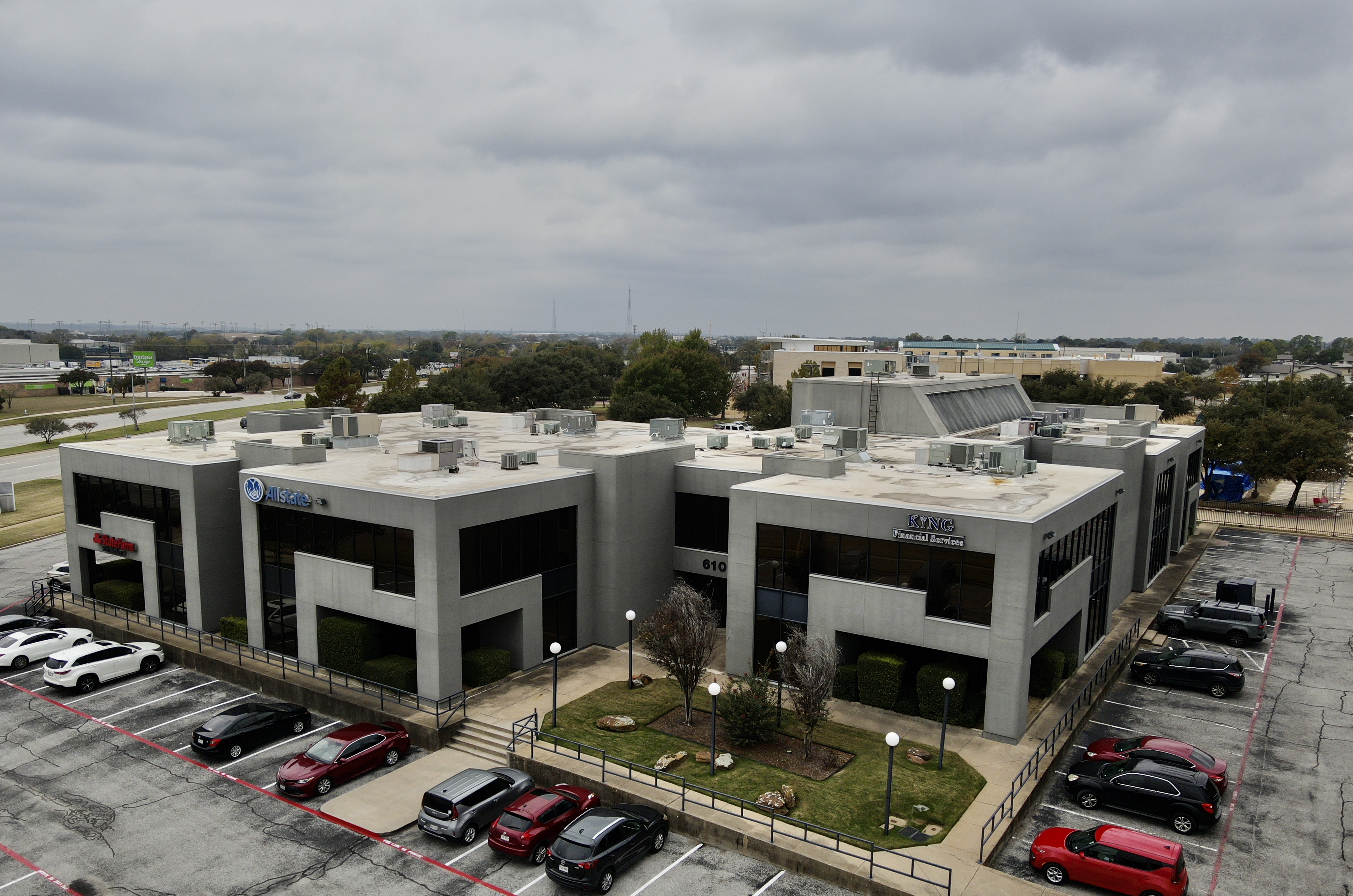
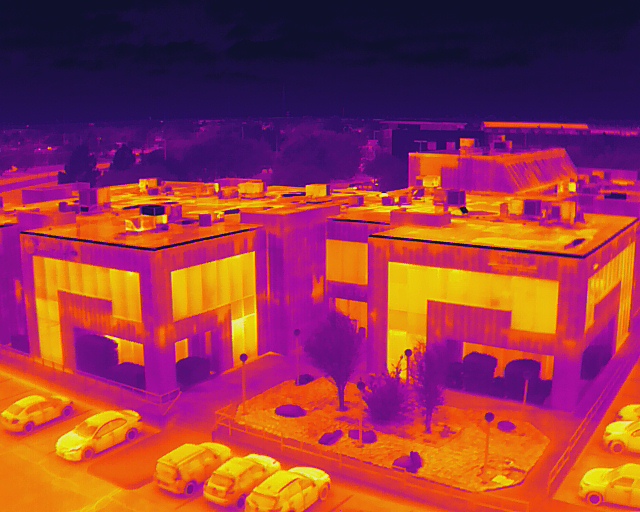
SCHOOL DISTRICTS / PROPERTY MANAGERS / COMMERCIAL PORTFOLIOS
Building-envelope consulting that connects roofs, moisture, drainage, and operating conditions to better maintenance and capital decisions.
Talk with Drew · 972-400-5800ONE BUILDING OR AN ENTIRE PORTFOLIO
You manage occupied buildings, competing priorities, and limited budgets. Start with a conversation about the recurring problems, the assets that matter most, and the decisions your team needs to make.
Develop a consistent assessment approach for multiple buildings, with access and scheduling coordinated around school operations.
Track observations across visits so your team can compare conditions, follow up on repairs, and explain priorities to ownership.
Investigate roofs, façades, drainage, site conditions, and HVAC-related moisture concerns as parts of the same building.
RECURRING BUILDING ASSESSMENT PROGRAMS
A scheduled program gives you a consistent way to observe conditions, document changes, and revisit unresolved questions. Thermography is one tool in that investigation.
Review available records, recurring concerns, access, and building priorities. Define what each visit should document.
Repeat selected observations under suitable conditions and compare them with the earlier record.
Track open findings, repair follow-up, and areas requiring closer investigation or a specialist.
Summarize observations and priorities to inform maintenance planning and capital discussions.
A SCHEDULE BUILT AROUND YOUR PROPERTIES
Discuss twice-yearly, three-visit, or quarterly programs. Frequency depends on building condition, history, exposure, operating demands, and the purpose of the assessment. Storms, active leaks, or changing conditions may call for an additional visit.
Discuss a portfolio assessment program ↗REAL IMAGES. A REAL QUESTION.
A recently installed TPO roof showed branching thermal patterns after heavy rain. The visible view supplied context; the thermogram identified a question that needed further investigation.
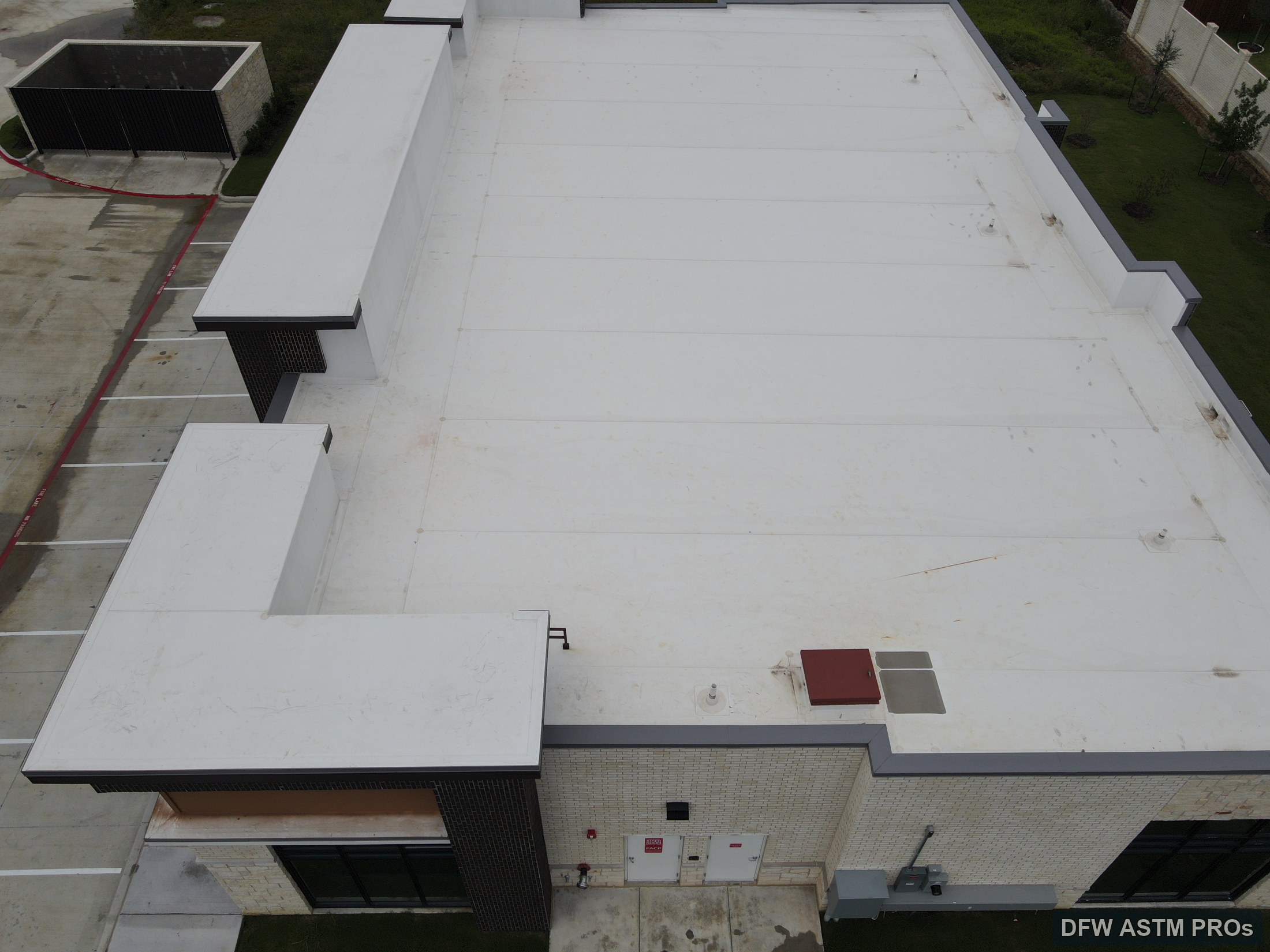
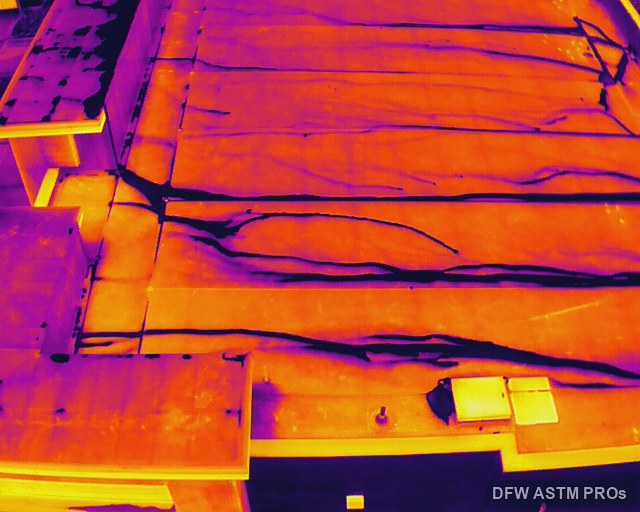
Two views from the same investigation, shown independently. They are not registered overlays.
The value is in the next question.
Surface conditions, drainage geometry, reflection, and moisture must be considered before reaching a conclusion.
HOW WE WORK
Establish the concern, access, scope, and decision the inspection needs to support.
Combine visual and thermal observations with building history, weather, site conditions, and operating context.
Consider competing causes and identify the additional verification needed.
Document findings, limitations, and recommended follow-up in a useful report.
WHAT YOUR REPORT CAN INCLUDE
Annotated images / Observation locations / Inspection conditions / Interpretation and limitations / Recommended next steps
Deliverables and any verification work are defined in the agreed scope.EXPERIENCE BEHIND THE INTERPRETATION
Level III Infraspection Institute Certified Infrared Thermographer®
Author of The Environment Decides: The Discipline of Defensible Thermography. Drew’s approach connects image acquisition, environmental conditions, and the discipline of interpretation.
BEFORE YOU BOOK
A thermogram records a thermal pattern. Interpretation depends on the asset, the environment, operating conditions, and supporting observations. Some findings require additional testing or physical verification.
Send the number and locations of your buildings, recurring concerns, available reports, and upcoming maintenance or budget decisions. We can begin with one priority building or discuss the portfolio.
They can. Suitable environmental conditions, access, and operating state are discussed before the inspection. The schedule and scope should allow for those requirements.
The proposal defines the buildings, assessment methods, access requirements, visit frequency, reporting, and follow-up included. Pricing reflects that agreed scope, rather than a one-size-fits-all inspection package.
LET’S START WITH A CONVERSATION
Tell Drew about your campuses or properties, the problems that keep returning, and the decisions ahead. Together, we can define a useful starting point.